
Online Marketing Tips Blog
In this Daily blog, I'll try to answer the most burning questions for online marketing that I get in my consulting business. We help online business owners who are in affiliate marketing, coaching, eLearning and Online Events every single day. I'll share that info with you!
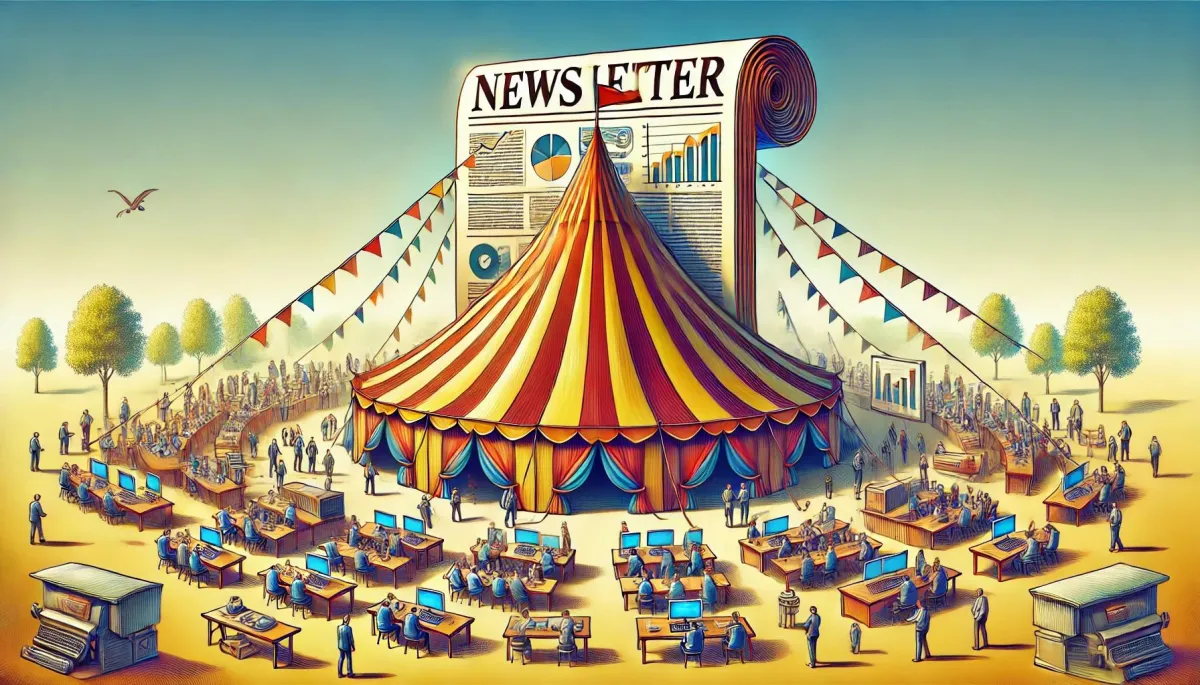
Why a Newsletter is the Missing Backbone in Many Businesses
A customer newsletter might just be the most overlooked but valuable tool in a business’s arsenal. Yes, newsletters take effort—crafting them, printing and mailing (if physical), and managing ongoing delivery. But the returns on this investment are undeniable. For businesses looking to create 'stickiness' with their customers—ensuring loyalty, interest, and enduring engagement—a newsletter is not just a marketing supplement. It can serve as the tent pole holding everything together.
What makes a newsletter so essential?
It’s all about connection. Done right, a newsletter isn’t just a piece of content; it’s a tool that builds emotional and intellectual bonds with customers. Whether you're operating a small coffee shop or managing a global brand, newsletters should be central to your relationship-building strategy.
This post will explore why newsletters are so powerful, provide the reasoning behind prioritizing them, and offer actionable advice for creating one that works as the backbone of your business.
What Makes Newsletters Powerful?
Newsletters aren’t just a way to share updates—they are living, breathing bridges between your business and its customers. Here’s why they are invaluable:
1. They Build Connection Beyond Transactions
Most interactions between businesses and customers are transactional—buying, subscribing, contacting customer service. These moments are fleeting. A newsletter, however, reaches customers right where they are and creates an ongoing dialogue.
For example, Weight Watchers (now WW) didn’t just rely on their products to connect with their audience. Their "weekly weigh-in meetings" fostered community, while their newsletter was a consistent, low-friction way to extend that relationship into people's homes.
2. They Keep Customers Interested in You
Retention—a buzzword in marketing—is one of the biggest challenges businesses face. A regular, engaging newsletter can be the tool that keeps your customers coming back. To achieve this, your newsletter should offer value.
Rather than just pitching products or deals, include content customers love, like tips, industry insights, how-to guides, or fun stories. Done right, this will make your business top-of-mind at all times—and not just when they're ready to make a purchase.
3. They Make Your Brand Relatable
Successful businesses connect with their audience on a deeper level, beyond just selling something. A newsletter allows you to humanize your brand. Share stories about your team, highlight customer testimonials, or share a little behind-the-scenes humor. These authentic touches create relatability—a key driver of customer loyalty.
4. They Create a 'Stickiness' Factor
There’s a term often used in marketing called “stickiness”—essentially, how tight the bond is between your customers and your business. Without stickiness, you're just another vendor among many. Newsletters are a powerful tool for creating this glue in a way that almost feels effortless.
While utility companies may not need to build emotional bonds because their service is a necessity, most of us need to use every tool at our disposal to maintain strong relationships. Newsletters stand out as a tent pole—a central, unifying force customers rely on.
Why Some Businesses Ignore Newsletters
Despite being so effective, newsletters are often relegated to an afterthought in marketing strategies. Why?
• They Seem Costly or Time-Intensive
Yes, creating a robust, valuable newsletter takes time and effort. But consider this an investment—with the potential for exponential returns in customer retention and loyalty.
• Seen as "Old School" Marketing
True, newsletters aren’t as flashy as TikTok or Instagram campaigns. However, what they lack in trendiness, they more than make up for in longevity. Unlike social media, which often has fleeting attention spans, newsletters—especially physical, printed ones—tend to sit on a customer’s counter or desk for weeks.
• Underused as a Tent Pole Strategy
Far too many businesses treat newsletters like incidental updates rather than a pillar of their operations. Introducing the newsletter as the backbone of your communication can transform the way customers interact with your brand.
Turning a Newsletter into Your Business's Tent Pole
For your newsletter to become the backbone of your business, it needs to be more than an afterthought. It must function as a central piece in your communication strategy around which other business operations revolve. Here’s how to make this happen in practice.
1. Define Your ‘Why’
Ask yourself why you’re creating a newsletter. What role will it play in your relationship with customers? Is it to share tips, promote company updates, or tell customer stories? The clearer your purpose, the more impact the content will have.
2. Prioritize Consistency
Customers should know when to expect your newsletter—whether it’s bi-weekly, monthly, or quarterly. Consistency builds trust. Commit to a publishing schedule and stick to it.
3. Focus on Value First
The key to a successful newsletter is delivering value every time. This means the content must focus on what your readers care about. Include expert advice, product how-tos, exclusive interviews, or sneak peeks.
Example:
• Weight Watchers Tent Pole Strategy
Weekly meetings were a pillar for Weight Watchers. For other businesses, newsletters can play a similar role—providing value while keeping customers engaged.
4. Leverage an "Attractive Character"
Every great newsletter has an anchor personality—a relatable, engaging figure that customers look forward to hearing from. This could be your CEO, a team member, or even a well-known guest contributor. People connect with people.
5. Include Calls-to-Action (CTAs) That Matter
Newsletters aren’t just informational—they’re also chance for gentle selling. Master the balance between providing value and guiding readers toward taking desirable actions, like following your social channels, trying a new product, or referring their friends.
6. Consider Physical Newsletters
While digital newsletters are powerful, physical newsletters can have an even greater impact. Physical mail is personal—it grabs attention, avoids the clutter of email inboxes, and creates a tangible connection.
A Real-Life Example of the Newsletter Advantage
One undeniable example of newsletter success comes from the legendary marketer, Gary Halbert. According to marketing legend Dan Kennedy, Gary famously created customer newsletters that not only boosted renewals but also created a cult-like loyalty to his business. Why? Because his newsletters were not fluff pieces; they allowed customers to feel part of a story that they couldn’t get anywhere else.
Actionable Steps for Your Own Newsletter
1 Identify your newsletter vision and goals.
2 Decide on your tent pole strategy—how it will connect with other operations.
3 Build engaging, value-driven content (not just ads or updates).
4 Schedule and stick to a consistent rollout timeline.
5 Periodically gather feedback to ensure your content resonates.
Where Will Your Newsletter Take You?
A great newsletter isn't just a marketing tool—it's a business strategy, a glue that builds brands, and a connector between companies and their customers. By prioritizing this often-overlooked tactic, you have the opportunity to turn customers into loyal advocates and give them a reason to keep coming back.
Are you ready to make your newsletter the tent pole of your business? Start planning, writing, and delivering value today.
For more online marketing insights, click the link and come join my FREE Facebook Mastermind Group.

If you have specific questions you would like to see answered in this blog, please send them to me at [email protected]. I will try to address every question here.
If you follow the links in my blog, some of them will be affiliate links and I will be compensated if you purchase a course or product from these links. This is no way increases your price or changes my opinion on these courses. I only recommend things I use in my business.
For the absolute best training online for Affiliate Marketing, Coaching, Events & Masterminds and eLearning - Online Courses: Check out our Flagship Program Here.

Copyright © 2025 | All Affiliate Cash | All Rights Reserved
There may be affiliate links on these pages. When you follow them and purchase something, I may be paid a commission. This does not raise your cost of the item, and does not influence my opinion or review of the item in any way.
NOT FACEBOOK™: This site is not a part of the Facebook™ website or Facebook Inc. Additionally, This site is NOT endorsed by Facebook™ in any way. FACEBOOK™ is a trademark of FACEBOOK™, Inc.